.jpg)

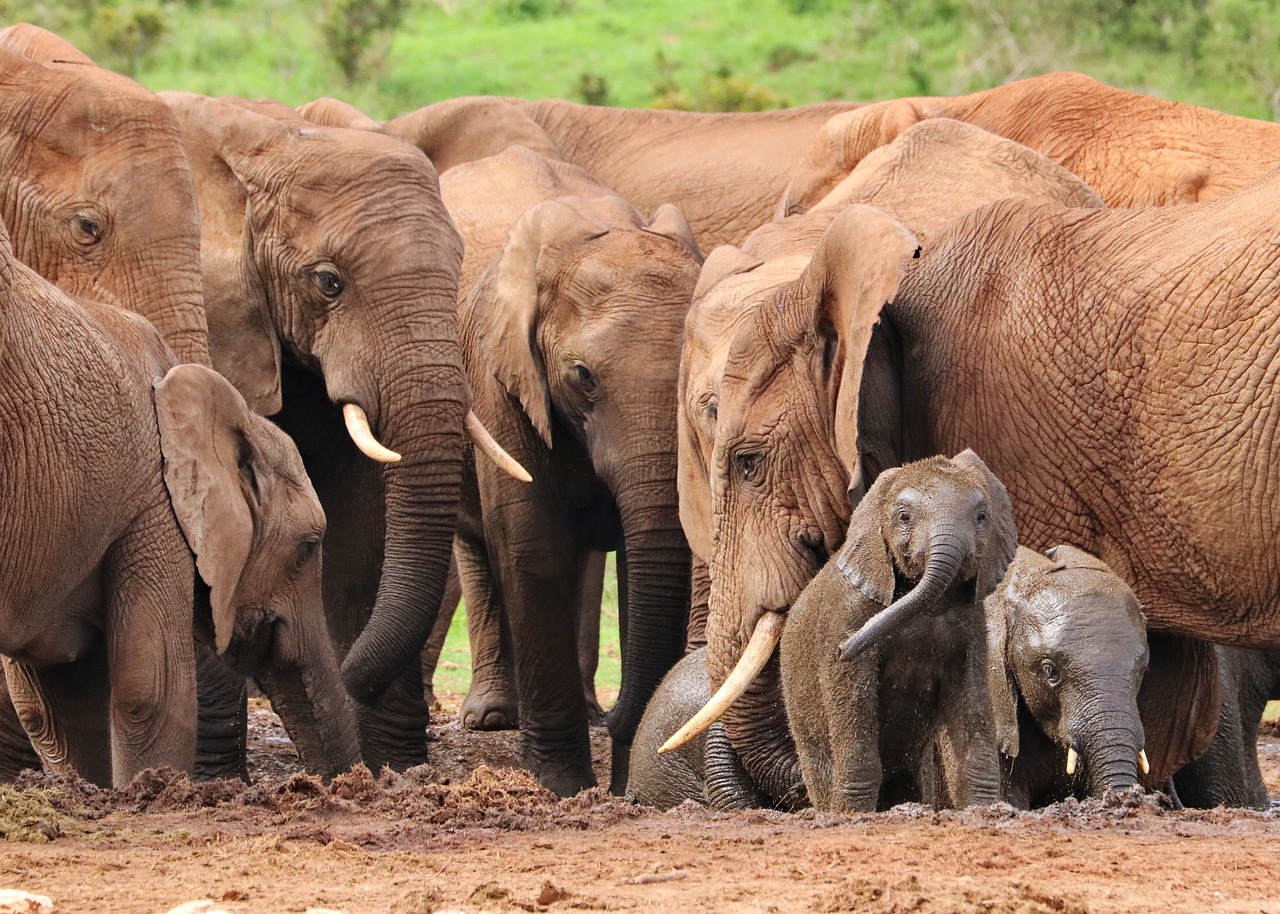
Lake Baikal is located in Siberia, a region in central Russia.
The lake is curved in shape, nearly 400 miles (645 km) long, and is more than 5,000 feet (1524 meters) deep. Most lakes formed within a bowl-shaped crater in the ground are called basins. Basins can fill with water after an ice age. This happens when glaciers melt after a volcano creates a caldera. Basins can also be formed from a river that twists or curves, circling back on itself.
Lake Baikal is unique! It was formed in a rift on the Asian tectonic plate as water filled the deep rift valley. Geologists estimate Lake Baikal formed during the Mesozoic era, somewhere between 20-25 million years ago. This is also home to the world’s only freshwater seal.
Kozhov, M. (2013). Lake Baikal and its life. Springer Science & Business Media, 11.
Mats, V. D., Shcherbakov, D. Y., & Efimova, I. M. (2011). Late Cretaceous-Cenozoic history of the Lake Baikal depression and formation of its unique biodiversity. Stratigraphy and Geological Correlation, 19(4), 404.
National Geographic Society. (2012, October 09). Lake. Retrieved January 24, 2021, from https://www.nationalgeographic.org/encyclopedia/lake/
Hutchinson, D., & Coleman, S. (n.d.). Lake baikal - a touchstone for global change and rift studies. Retrieved January 24, 2021, from https://pubs.usgs.gov/fs/baikal/
Klavins, R. (2020, November 17). Photo by Raimond Klavins on unsplash. Brown rock formation beside blue sea under blue sky during daytime photo – Free Россия Image on Unsplash. https://unsplash.com/photos/brown-rock-formation-beside-blue-sea-under-blue-sky-during-daytime-mV8RSZLvaJA







Save the Water™ is a 501 (c)(3) non-profit organization with a mission to conduct research to identify and remove harmful contaminants in water and to raise public awareness about water contamination and its health impacts.


.jpg)