.jpg)

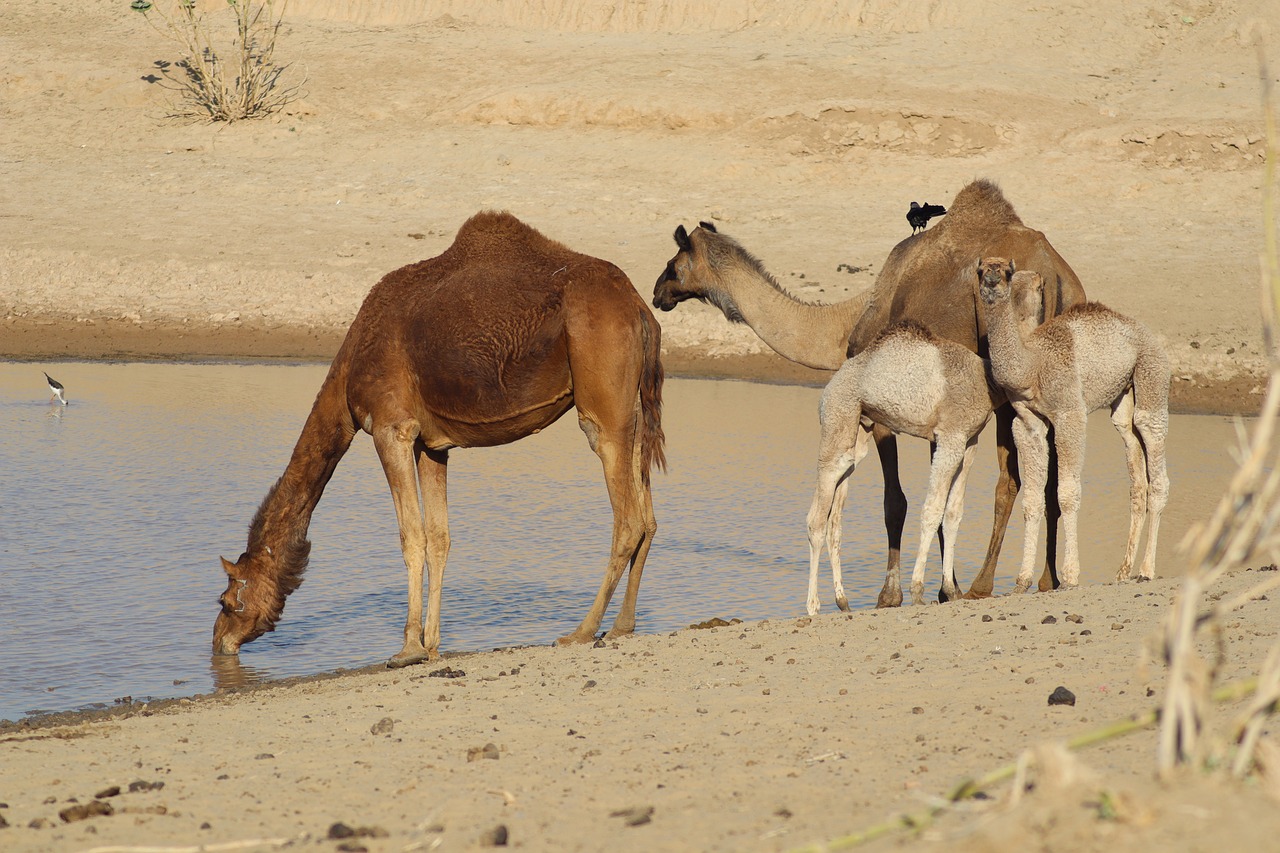
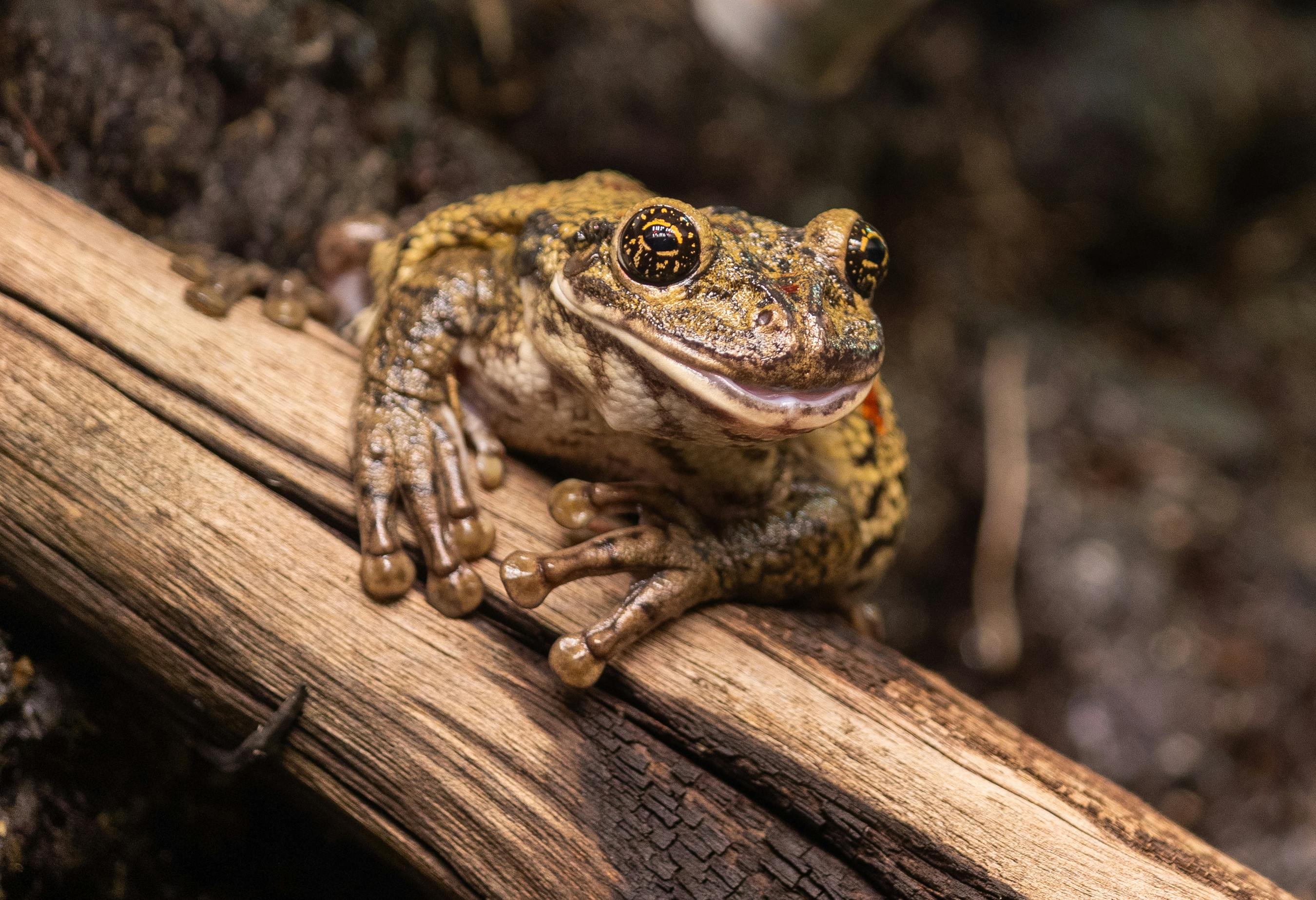
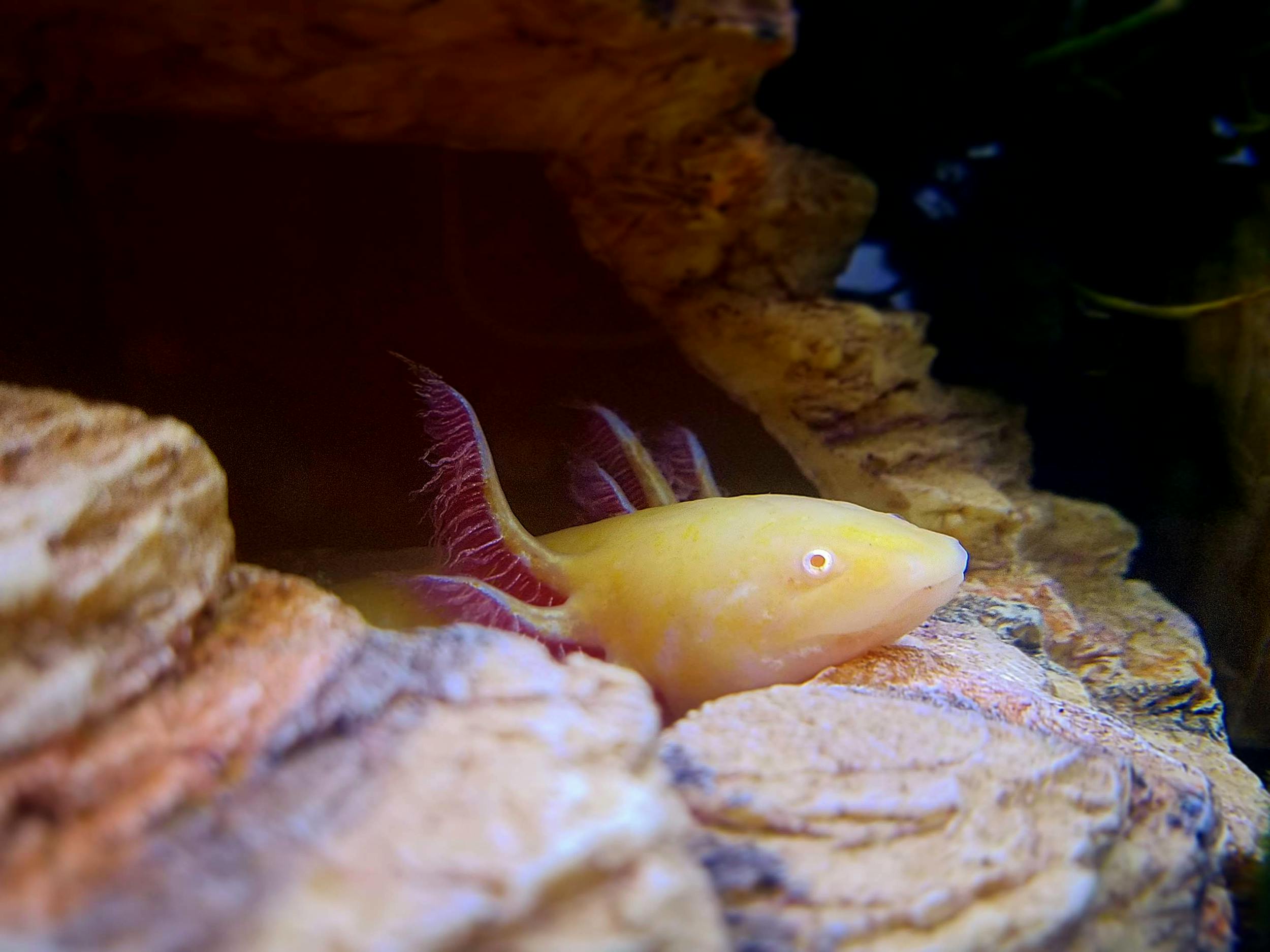
Every time a person or animal interacts with the environment, they leave behind their DNA. DNA is the genetic material in the cells of all living things. As skin cells are shed or an animal drinks or leaves droppings, a trail of DNA is formed. This is called environmental DNA, or eDNA. eDNA can be studied in soil, air, water, and ice. Scientists can use this information to track rare, endangered, or otherwise hard-to-find animals.
Scientists take water samples from rivers and streams to study what organisms have visited the body of water. DNA in water sticks to sediment and is extracted from organic material through water filtration. This method is much faster and less expensive than other sampling techniques. Once scientists know which animals live in the area, they can better manage and protect the surrounding habitat.
Sales, N. G., McKenzie, M. B., Drake, J., Harper, L. R., Browett, S. S., Coscia, I., Wangensteen, O. S., Baillie, C., Bryce, E., Dawson, D. A., Ochu, E., Hänfling, B., Handley, L. L., Mariani, S., Lambin, X., Sutherland, C., & McDevitt, A. D. (2020, March 10). Fishing for mammals: Landscape‐level monitoring of terrestrial and semi‐aquatic communities using eDNA from riverine systems. Journal of Applied Ecology. British Ecological Society. https://doi.org/10.1111/1365-2664.13592
Rees, H. C., Maddison, B. C., Middleditch, D. J., Patmore, J. R., & Gough, K. C. (2014, June 20). The detection of aquatic animal species using environmental DNA: A review of eDNA as a survey tool in ecology. Journal of Applied Ecology. British Ecological Society. https://doi.org/10.1111/1365-2664.12306
Robbins, J. (2017, March 9). A splash of river water now reveals the DNA of all its creatures. Yale Environment 360. Retrieved February 17, 2021, from https://e360.yale.edu/features/edna-rivers-fish-bull-trout-forest-service






Save the Water™ is a 501 (c)(3) non-profit organization with a mission to conduct research to identify and remove harmful contaminants in water and to raise public awareness about water contamination and its health impacts.


.jpg)