Back to WATER INSIGHTS

By Brigitte Rodriguez, Publishing Associate: Researcher and Writer at Save the Water™ | November 18, 2025
Edited by April Day, Publishing Consultant at Save the Water™
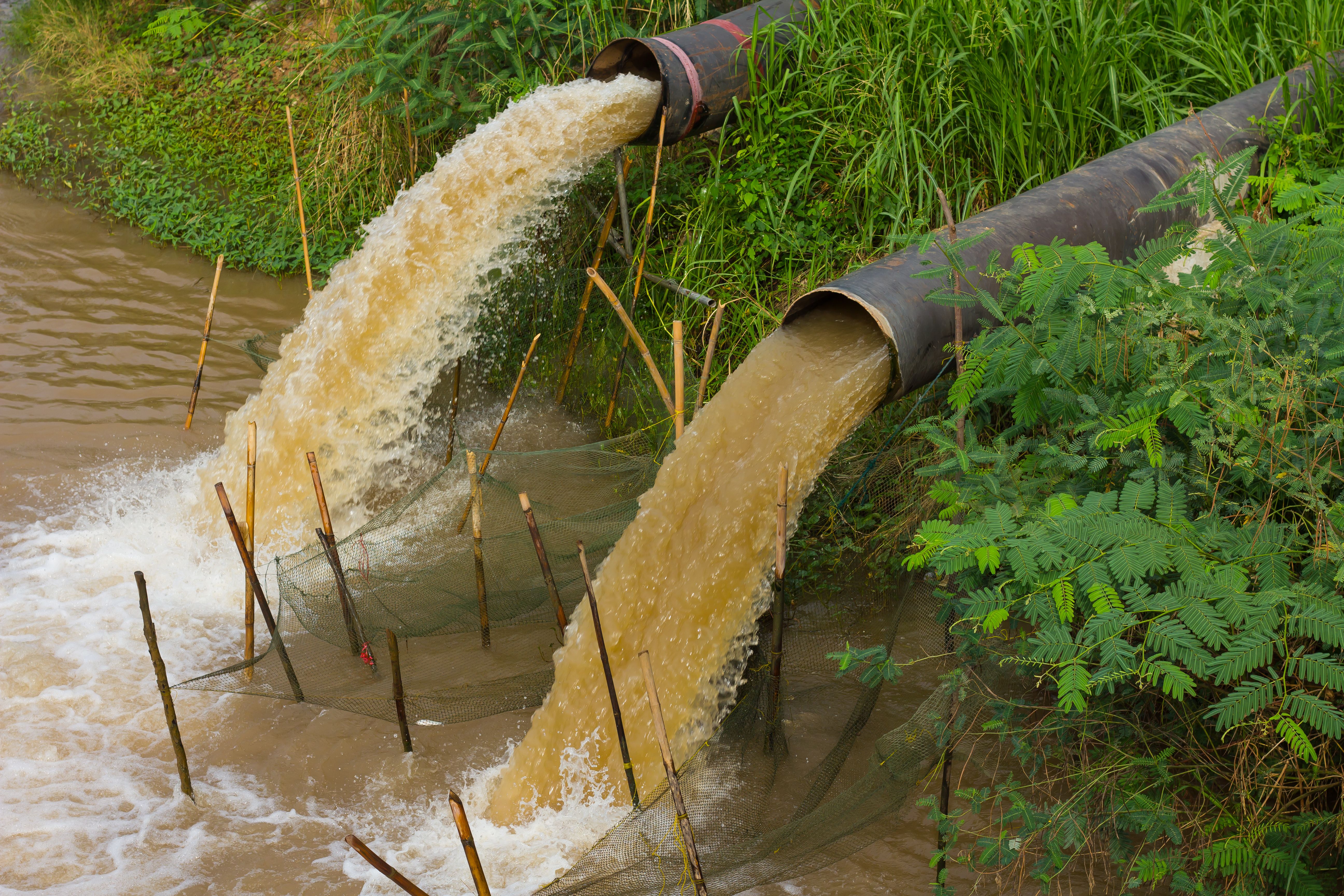
South West Water (SWW) in the United Kingdom utilizes artificial intelligence, also known as “AI,” to predict sewer blockages. Blocked sewers cause sewer overflows. These overflows pollute water. Using AI can prevent sewage from dirtying water bodies. In fact, the AI tool has already prevented around 200 pollution incidents. AI can improve water quality compared to other monitoring methods.
AI increases fast response times. The project team explains that AI acts as if it has “12,000 extra pairs of eyes” monitoring the system. The model analyzes information from 12,000 sensors installed throughout the sewer network. The sensors record changes in water levels and flow patterns.
SWW launched the trial after receiving a red rating. A red rating means “needs improvement” from the UK Government. As a result, the use of AI indicates a shift toward more proactive, data-driven solutions.
The UK views sewage overflows as a significant source of water pollution. When pipes get blocked, untreated wastewater can flow into rivers, beaches, and drinking water sources. This threatens public health. Additionally, it harms ecosystems.
Water companies can use AI:
Communities in the South West serve as tourism hubs. They also enjoy coastal biodiversity. These communities must reduce sewage spills. They want clean water.
SWW and researchers at the University of Exeter developed the AI model. The process includes several steps:
Thus, this approach predicts problems. In short, AI helps people prevent contamination.
Since the trial began, SWW reports that AI has prevented thousands of liters of untreated sewage from reaching local ecosystems.
AI's benefits include:
Using AI prevents sewage pollution. But it requires continued investment. Water companies must maintain sensor networks. Furthermore, they must also validate data. Companies also need to train staff.
And AI alone can’t fix everything. Old pipes and treatment plants still need repairs and upgrades. SWW plans to expand the AI trials to more areas. Researchers think this technology could become a common tool for water utilities worldwide.






Save the Water™ is a 501 (c)(3) non-profit organization with a mission to conduct research to identify and remove harmful contaminants in water and to raise public awareness about water contamination and its health impacts.