Back to WATER INSIGHTS

By Dr. Rita Evelyne Joshua, Publishing Associate: Researcher and Writer at Save the Water™ | January 7, 2026
Edited by Shannon Hsieh, Publishing Associate: Editor at Save the Water™
Tons of bio-beads used in wastewater treatment spilled onto Camber Sands beach in East Sussex, UK, in one of the year's major environmental disasters. This incident raised serious concerns and highlighted the urgent need for eco-friendly wastewater treatment technology.
A mechanical failure at the treatment facility caused the spill. Volunteers have since cleaned up almost 80% of the beads from the coast, but environmental experts warn about the long-term impact of such incidents.
Bio-beads are small plastic beads that measure 3 to 5 mm in diameter. Nurdles are a similar type of beaded plastic, which manufacturers use as raw material to make plastic products. These are lightweight, low-cost, and long-lasting. As a result of these properties, bio-beads are useful in wastewater treatment facilities and as feedstock for plastic production. However, this is becoming a growing pollution concern in several European countries. They are one of the main sources of microplastic contamination on seashores and in oceans.
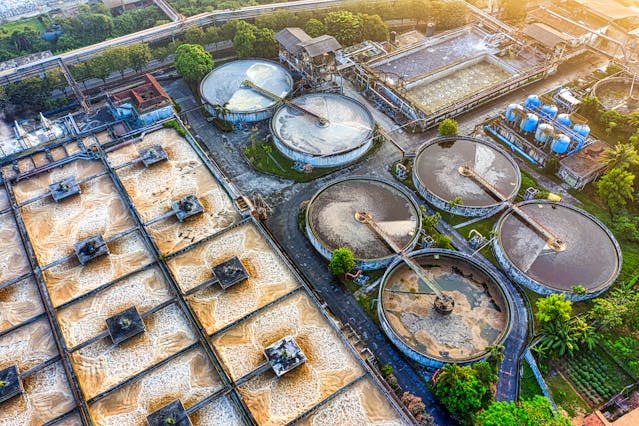
Wastewater plants use microbes to remove organic compounds and nutrients like nitrate and phosphorus. These microbes form biofilms by attaching to supports like sand, gravel, and plastics. Additionally, treatment plants use bio-beads as they are cheap. These beads have rough surfaces with dimples that provide support for bacteria to attach, grow, and feed on pollutants in the water. This treatment unit typically uses millions of bio-beads. Plants often choose bio-bead treatment systems when they have less space for building the facility.
Bio-bead contamination is found along the shorelines of European countries like the UK, Portugal, Netherlands,, France, and Belgium. Reports of bio-bead pollution have been rising since 2010, with many incidents occurring over the years. Several factors cause this pollution:
Machine failures
Treatment facilities getting old
Leaks from treatment plants
Spills from dumping yards
Other Sources: Nurdles resemble bio-beads, which are lost during transportation, production processes, or recycling operations.

Volunteers mainly remove plastic beads spilled along shorelines or buried in soil through manual processes like sifting and hand-picking. This work is a time-consuming process which needs dedication.
Workers sometimes use vacuum systems to clear the spills.
Facilities can use eco-friendly bio-beads in required treatment processes.
Plants can adopt alternative treatment methods to reduce the use of traditional bio-beads.
Governments can improve policies to manage and reduce the risk of such incidents in the future.
The public and non-governmental organizations can report visible spills in any location. This helps governments monitor pollution and plan for clean-up activities.
The Camber Sands beach spill shows why the wastewater industry must change. Bio-beads contaminate marine ecosystems and harm wildlife. The industry needs to adopt eco-friendly alternatives and improve infrastructure. Governments and communities must act now to prevent future disasters and protect our coastlines from microplastic pollution.






Save the Water™ is a 501 (c)(3) non-profit organization with a mission to conduct research to identify and remove harmful contaminants in water and to raise public awareness about water contamination and its health impacts.