Back to WATER INSIGHTS

By Hafsa Tayyab, Publishing Associate: Researcher and Writer at Save the Water™ | May 14, 2026
Edited by Joshua Awolaye, Publishing Associate: Editor at Save the Water™
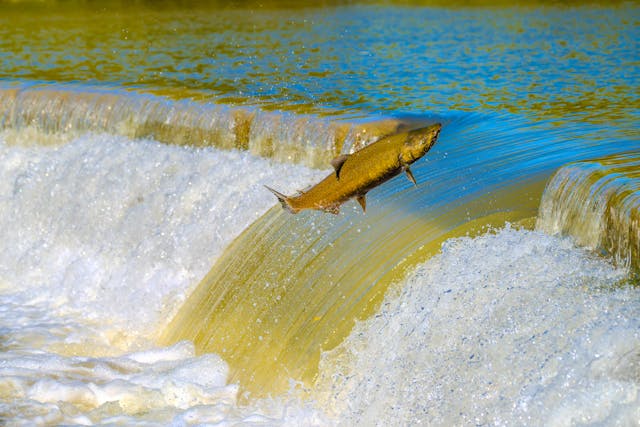
Cocaine water pollution is becoming an emerging environmental concern affecting marine wildlife. A recent study found that salmon exposed to cocaine in rivers and lakes swim more and travel farther than normal. While this may seem harmless, it can disrupt ecosystems and affect salmon survival.
This is a part of a larger problem of drugs and other pharmaceutical waste entering water bodies through human wastewater. As a result, scientists are starting to see real changes in aquatic ecosystems.
Wastewater treatment facilities may not be fully equipped to completely remove cocaine and its byproducts, such as benzoylecgonine. This compound can stay in the environment longer and have stronger biological effects than cocaine itself.
A study was carried out in Lake Vättern in Sweden over an eight-week study period. Researchers studied young Atlantic salmon (Salmo salar) in a natural lake environment. They tagged 105 juvenile salmon grown in captivity with acoustic trackers to monitor them. Furthermore, they fitted implants to release substances to different groups of salmon. The first released cocaine in a group with 35 salmon. In another group, the implant released benzoylecgonine, and in the last (control) group, nothing was released.
The results showed clear behavioral changes:
- Salmon swam longer distances.
- Spread out over wider areas.
- Movement increased by nearly double.
Salmon exposed to benzoylecgonine (the main cocaine metabolite) swam up to 1.9 times farther per week than unaffected fish. Those exposed to cocaine had a craving to swim and spread out wider, up to 12.3 km farther. Because of this, scientists concluded that cocaine water pollution directly alters how salmon move through their environment.
At first glance, more movement may seem beneficial. However, it creates several risks for salmon.
1. Higher energy use
Swimming longer distances requires more energy. This can reduce growth and affect survival over time.
2. Greater exposure to predators
When salmon travel farther, they may enter unfamiliar or dangerous areas and get exposed to new predators.
3. Disrupted migration patterns
Salmon rely on precise movement patterns for survival. Changes in behavior can interfere with feeding and reproduction.
This study revealed the real-world effects of cocaine water pollution in the wild. It showed how something as small as cocaine and its byproducts in our water systems can impact salmon behavior. The findings also highlighted concerns about pharmaceutical pollution in our rivers and lakes, and their effect on wildlife.
These pollutants can alter aquatic animal behavior, such as that of sharks, affecting reproduction and survival. If pollution continues, these behavioral changes could affect fish populations and aquatic biodiversity. Hence, scientists are now working to better understand long-term effects. Brown trout, a key indicator species, could monitor sewage waste because they accumulate contaminants and show measurable biological responses. Finally, protecting our water sources means addressing both visible and hidden pollutants. Even substances we do not expect can have serious consequences.






Save the Water™ is a 501 (c)(3) non-profit organization with a mission to conduct research to identify and remove harmful contaminants in water and to raise public awareness about water contamination and its health impacts.