Back to WATER INSIGHTS

By Hafsa Tayyab, Publishing Associate: Researcher and Writer at Save the Water™ | June 14, 2026
Edited by Jasleen Szeto, Publishing Associate: Editor at Save the Water™
Nitrogen is an important part of the environment and is a nutrient required by plants and animals. However, too much nitrogen entering rivers, lakes, and coastal waters can harm plants and animals. Recent research suggests that mangrove forests may be one helpful natural solution that is not used enough for reducing nitrogen pollution in water.
When excess nitrogen enters water systems, it can cause harmful algal blooms either on the surface or underwater, and reduce oxygen levels and sunlight available to fish and other water animals. This process is called eutrophication.
Sources of nitrogen pollution include:
Having an excess of nitrogen harms the environment through dirtier water, toxic algal blooms, and when the algae die, it creates areas with little oxygen, leading to many fish deaths, and ultimately damages the coastal ecosystem.
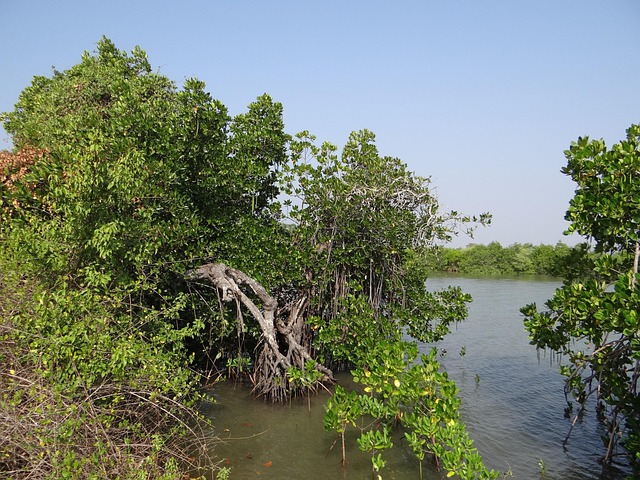
Mangroves' tall and tangled roots trap sediments and pollutants, and the surrounding soil containing microbes breaks down nitrogen. These microbes change extra nitrogen into a harmless gas. As a result, this naturally removes nitrogen from the water before it damages coastal ecosystems.
Mangroves currently remove roughly 870,000 tons of nitrogen worldwide every year. Research shows that protecting and planting more mangrove forests could increase nitrogen pollution removal to more than 5 million tons annually.
Researchers estimate that if nitrogen pollution cleanup work were offered, it would be worth billions of dollars each year, while mangrove forests could be a natural remedy for treating nitrogen pollution.
Nitrogen pollution in water continues to threaten aquatic ecosystems around the world. Although scientists are still studying this topic, planting or conserving mangrove forests is a natural way to reduce nitrogen pollution. Similar efforts have helped restore kelp forests, as they “serve as the lungs of the marine ecosystems”. Finally, mangroves help improve water quality while supporting biodiversity and protecting coastlines.






Save the Water™ is a 501 (c)(3) non-profit organization with a mission to conduct research to identify and remove harmful contaminants in water and to raise public awareness about water contamination and its health impacts.