Back to WATER INSIGHTS

By April Day, Publishing Consultant at Save the Water™ | June 7, 2026
Edited by Kayla Douglas, Publishing Associate: Editor at Save the Water™
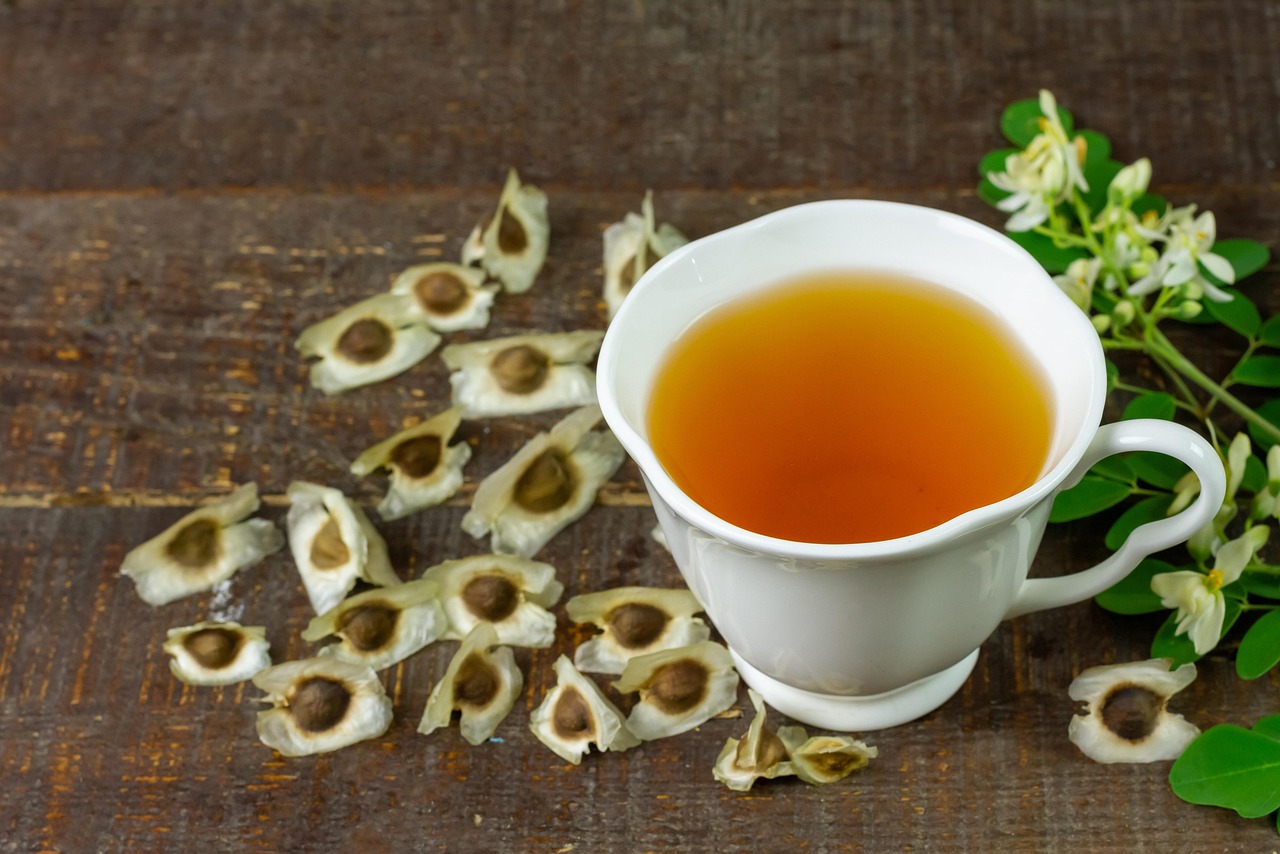
Scientists discovered a new way to remove microplastics from water using moringa seeds. These seeds can help pull microplastics from water in the same way human-made chemical treatments can. They even outperformed those treatments in some circumstances. Moringa seeds could help small communities remove microplastics from their drinking water.
These seeds come from a tree native to India. Moringa has been called the “Miracle Tree” and the “Tree of Life” because it’s rich in nutrients. In addition, it’s resistant to drought. Researchers have been studying moringa seeds’ potential to help with cleaning water.
These days, scientists find microplastics in fish, animals, and humans. We can find microplastics in oceans, lakes, streams, and rivers. Microplastics in water can cause health problems:
As a result, it’s important to remove microplastics from drinking water. Water treatment plants aim to remove microplastics.
Water treatments vary depending on the area because different areas have water with different qualities, such as pH levels (i.e., levels of acidity). That said, many treatments rely on chemicals to help remove pollution. This pollution includes microplastics.
In some chemical treatments, aluminum sulfate is the coagulant used to allow microplastics to be removed from water. A coagulant helps stick particles, such as microplastics, together in the water. This makes the microplastics easier to remove.
Researchers at the Institute of Science and Technology of São Paulo State University compared moringa seeds to other coagulants. They focused on in-line filtration. In this water treatment process, a coagulant is used. After that, the water is put through sand filtration.
This treatment requires water with low turbidity. Turbidity is cloudiness in water caused by suspended solids such as clay, algae, or microorganisms. With lower turbidity, the water requires fewer steps to be drinkable.
Moringa seeds kept pace with chemical coagulants. In more alkaline water (i.e., less acidic), moringa seeds performed better than human-made chemicals in removing microplastics.
While moringa seeds can remove microplastics, they have drawbacks. Specifically, treatment with moringa seeds results in more dissolved solids compared to treatment with aluminum sulfate. Removing the increased amount of dissolved solids could be more costly.
As a result, the researchers suggested that moringa seeds could be a game changer for smaller communities. This research is great news because moringa seeds don’t have the same disposal issues as chemicals.
Scientists discovered a new way to remove microplastics from water using moringa seeds. These seeds can help pull microplastics from water in the same way human-made chemical treatments can. They even outperformed those treatments in some circumstances. Moringa seeds could help small communities remove microplastics from their drinking water.







Save the Water™ is a 501 (c)(3) non-profit organization with a mission to conduct research to identify and remove harmful contaminants in water and to raise public awareness about water contamination and its health impacts.