Back to WATER INSIGHTS

By Sakshi Kabra Malpani, Publishing Associate Director at Save the Water™ | June 30, 2025Edited by Joshua Awolaye, Publishing Associate: Editor at Save the Water™Nature-based solutions are biomaterials such as chitosan, clay, biochar, biomass, or natural polysaccharides such as biofilms and lipids. In a recent study, scientists utilized plant-based extracts, fenugreek and okra polymers to remove microplastics from water sources. These materials are eco-friendly, non-toxic, low-cost, and biodegradable. Additionally, they trap and break down microplastic particles using flocculation and coagulation.
Some researchers from Tarleton State University combined fenugreek seeds and okra in their lab to form a plant-derived polysaccharide.. They took following steps:
Also, the scientists collected water samples from the surface, the ocean, and the groundwater sources. Within one hour, they removed around 90% of microplastics from the samples.Furthermore, in another study, scientists used attapulgite clay to remove microplastics from sand filters and natural water samples. They showed that this clay can remove all types of microplastics with almost 100% efficiency. In addition, research shows that algal biomass can also remove polystyrene, a microplastic, from water systems. This natural coagulant can remove microplastics with approximately 75% efficiency.
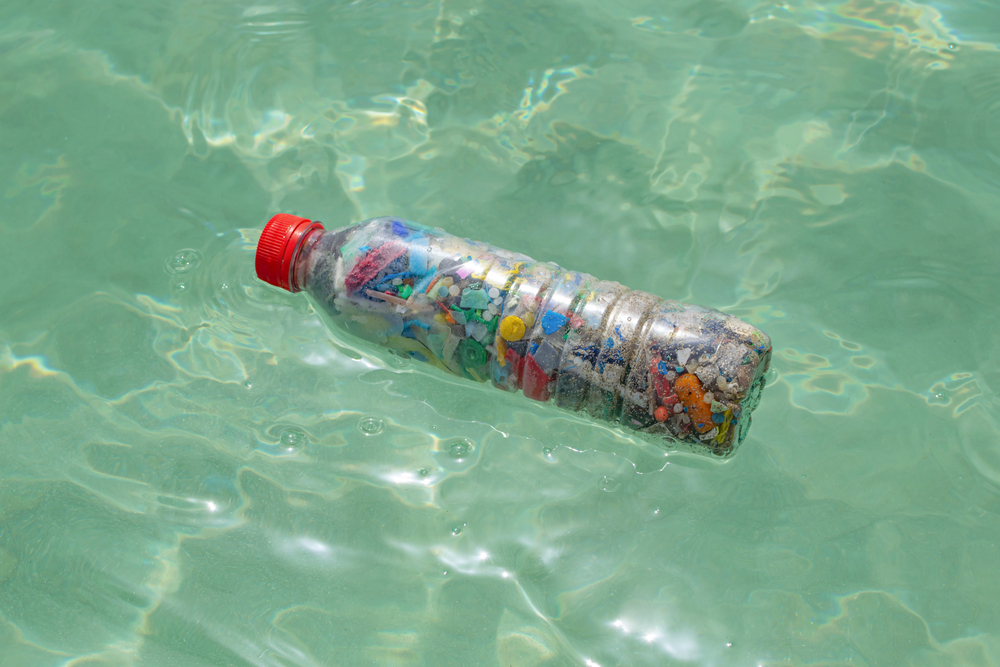
Microplastics are tiny plastic particles, less than 5 millimeters in size. They are not dissolved in water. Usually, they are grouped as primary and secondary microplastics. Both types of microplastics enter our bodies either directly or indirectly with other pollutants. Additionally, they can cause DNA damage, stress, affect reproduction, and slow mental development. In water bodies, microplastics affect aquatic plants and animals. Furthermore, in soil, they reduce crop productivity and fertility.
The major advantages of nature-based solutions in removing microplastics are:
Microplastics have variable composition, and nature-based solutions face challenges in their removal. The testing and analysis of these solutions have not yet been standardized. Therefore, it is difficult to prove their credibility.Furthermore, nature-based solutions can aid green technologies in wastewater treatment. Policymakers can also develop regulatory standards for implementing such solutions on a large scale. They can achieve it by encouraging partnerships between the government, industries, research institutes, and spreading public awareness.
By Sakshi Kabra Malpani, Publishing Associate Director at Save the Water™ | June 30, 2025 Edited by…






Save the Water™ is a 501 (c)(3) non-profit organization with a mission to conduct research to identify and remove harmful contaminants in water and to raise public awareness about water contamination and its health impacts.