Back to WATER INSIGHTS

By Dr. Rita Evelyne Joshua, Publishing Associate: Researcher and Writer at Save the Water™ | November 26, 2025
Edited by Joshua Awolaye, Publishing Associate: Editor at Save the Water™
In recent years, people around the world have started to use nuclear energy as a cleaner replacement for coal and gas. Today, nuclear power plants produce about 10% of the world’s electricity and also provide stable electricity. However, nuclear energy’s biggest challenge is safely disposing of nuclear waste.
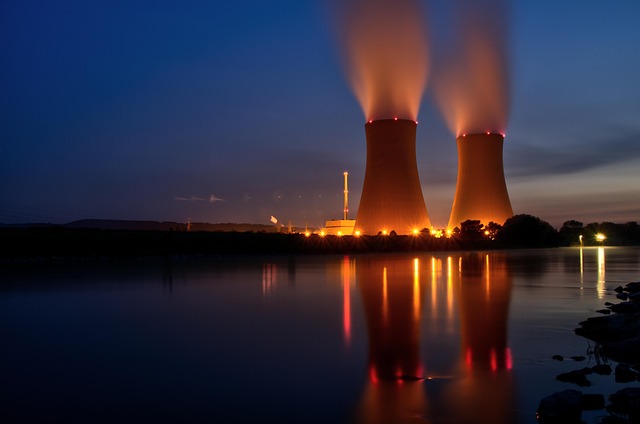
Nuclear power plants release treated wastewater into rivers, seas, and oceans. These releases have created public concern about health and environmental damage. This article provides a basic overview of radioactive water, and what we need to know about it.
Radioactive water forms when regular water comes in contact with radioactive materials. This happens naturally when groundwater flows through soil and dissolves tiny amounts of radioactive elements like uranium or radon.
Mining activities, oil and gas and nuclear power plants also produce this water. This water carries different amounts of radioactive substances. Special facilities treat the water, store it safely, and then release it into rivers, lakes, or the ocean.
Nuclear reactors heat up during energy production, so plants use water to cool them down. This cooling water touches radioactive materials and picks up tiny amounts of radioactive compounds. Because the contamination stays very low, experts classify this water as low-level nuclear waste. For this reason, the water needs only minimum treatment to remove the harmful compounds. Workers follow strict U.S. safety rules (10 CFR 20) to bring it to a safe level. After treatment, only a very small amount of tritium remains and this level almost always stays well below the safety limit of 1 millisievert (mSv) per year.
The International Atomic Energy Agency (IAEA) allows nuclear plants to release this treated water into rivers and the ocean. Many countries already follow this practice safely — including the UK, Japan, the United States, China, France, and South Korea. The tritium in the released water stays extremely low. In fact, it adds only about 0.1% of the radiation we already get every day from natural sources like the sun, rocks, soil, and air.
Tritium is much less dangerous than most other radioactive materials because it only gives off very weak beta particles that lose their energy almost instantly.
External exposure – When this treated water touches your skin or a fish’s scales, it cannot enter through them.
Internal exposure – When people drink or eat tritium-contaminated food or water, the body spreads it through tissues just like ordinary water. Fortunately, the body flushes nearly all of it out through urine in about 10 days — much faster than many medical radioisotopes. For example, strontium-82 used in PET scans lingers in the body for about 25 days.
Nuclear accidents happened in the past, still scare people today. Those painful memories make many communities distrust nuclear waste and fear the release of treated water. The common concerns are:
Governments and organizations can reduce public fears about nuclear waste by:
Treated radioactive water from nuclear plants contains very low levels of radiation and meets safety standards. Maintaining public trust requires open communication, continued research, and regular monitoring to ensure long-term safety for people and the environment.






Save the Water™ is a 501 (c)(3) non-profit organization with a mission to conduct research to identify and remove harmful contaminants in water and to raise public awareness about water contamination and its health impacts.