Back to WATER INSIGHTS

By Thomas Kingsley, Publishing Associate: Researcher and Writer at Save the Water™ | January 14, 2026
Edited by April Day, Publishing Consultant at Save the Water™
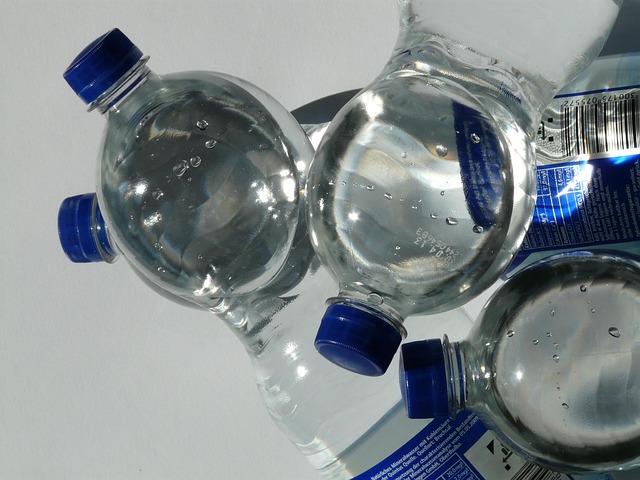
Access to safe drinking water is a human right. However, many communities still have limited access to clean tap water, so they use bottled water. Unfortunately, a recent literature review out of the University of Concordia shows that, in this case, we may be exchanging one problem for another. Drinking water out of single-use plastic bottles may cause us to swallow nano- and microplastics.
Nano- and microplastics are tiny pieces of plastic. Microplastics range from 0.1 micrometers to 5000 micrometers (or 5 millimeters), while nanoplastics are less than 0.1 micrometers. For reference, a standard drinking straw is usually about 6 millimeters in diameter.
Plastics take a very long time to break down, often hundreds or even thousands of years. Their tiny size also makes them easy to take in, either by drinking them in the water or breathing them in the air. These two facts cause them to accumulate in our bodies or the bodies of plants and animals that we then eat.
Single-use plastic water bottles can harm people when they drink water. One study found that people who only drink water out of plastic bottles could ingest 90,000 additional microplastics each year. On the other hand, those who drink only tap water would ingest closer to about 4,000 microplastics each year.
There are different types of plastic. Single-use plastic water bottles often use PET in the bottles and HDPE in the caps. These two plastic types break down easily under stress, leaching nano- and microplastics into the water people drink.
This stress is a normal part of their daily use. Opening and closing the water bottle causes it to release nano- and microplastics into the water. Squeezing the bottle when drinking also releases plastic. The plastic can also break down when in the sun for too long. And then people drink the water.
A different study compared different single-use water bottle manufacturers to see if that affected microplastic concentrations. The worst offender was Nestle Pure Life (purchased on Amazon) with an average of 2,277 microplastic particles per liter. That being said, all brands tested had microplastic contamination. This result suggests that the packaging or bottling process itself is the problem.
The other companies tested were as follows:
- Bisleri
- Gerolsteiner
- Aqua
- E-Pura
- Aquafina
- Dasani
- Evian
- Minalba
- Wahaha
- San Pellegrino
As we continue to study nano- and microplastic pollution, we are learning more about the ways that these particles can hurt human health. So far, researchers have linked nano- and microplastics in humans to the following health problems:
- Gastrointestinal inflammation
- Digestive problems
- Disruption of the immune system
- Hormonal imbalances
- Reproductive health issues
- Metabolic disorders, like obesity, diabetes, and non-fatty liver disease
- Increased cancer risk
- Impaired cognitive function
When it comes to these health issues, size matters. The smaller the particle, the easier it is for the body to absorb it. Because of this, nanoplastics are very dangerous. They can cross cell membranes and reach all organs, even the brain and the placenta.
The international community works to address the threat of nano- and microplastics. These changes often take time to implement. And it can be hard to know how effective they will be in the long term. However, the dangers of nano- and microplastics make it clear that no substitute for sustainable infrastructure delivers clean water from the tap.






Save the Water™ is a 501 (c)(3) non-profit organization with a mission to conduct research to identify and remove harmful contaminants in water and to raise public awareness about water contamination and its health impacts.