Back to WATER INSIGHTS

By Hafsa Tayyab, Publishing Associate: Researcher and Writer at Save the Water™ | September 16, 2026
Edited by Nicholas Guay, Publishing Associate: Editor at Save the Water™
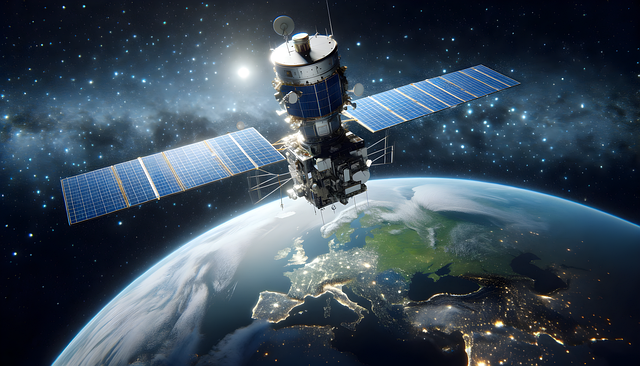
Protecting rivers and drinking water sources is getting harder as pollution, flooding, and human land use keep changing water systems worldwide. Therefore, satellite technology could help scientists monitor water pollution in rivers and other freshwater systems, making it easier to protect water quality.
Researchers are building new tools to track changes in rivers from space. Their goal is to spot pollution, flooding, and other environmental threats faster than before. Recent studies suggest these efforts could improve water quality worldwide.
Traditional water-quality monitoring depends on collecting water at selected locations and testing it in laboratories. However, many rivers are remote, seasonal, or just too large to monitor with field sampling alone.
Though field sampling is more accurate, it has some drawbacks:
As a result, pollution problems might not be detected before drinking water supplies are contaminated. According to scientists, some rivers also disappear during part of the year or change directions, which makes regular monitoring through traditional methods harder.
This new method uses remote sensing to study how the surface of water reflects sunlight. Different pollutants change the colour and brightness of the reflected light.
Scientists then study these light signals using computer systems to detect changes such as sediment levels, chlorophyll-a, and other signs of changing water quality.
For example, an increase in chlorophyll-a levels will show a growth in algae, signalling nutrient pollution and eutrophication. These measurements could let researchers watch river systems remotely.
Farm fertilizer and urban sewage runoff add excess nitrogen and phosphorus to rivers. This can cause harmful algal blooms, making water unsafe. Satellites could spot changes in chlorophyll-a levels and water colour linked to these blooms, providing an early warning of poor water quality.
Heavy rainfall, construction, mining, and land clearing all wash extra sediment into nearby rivers. High sediment levels reduce water clarity and harm ecosystems. Because of this, water treatment costs rise, along with the price of drinking water.
Floods carry sewage and chemical pollution into rivers and reservoirs. Satellite images can map flooded areas where water levels are high and show which water supplies may be at risk.
One of the most important benefits of satellite technology for water monitoring is its potential to protect drinking water systems.
Early warnings help authorities increase treatment before contamination worsens. Furthermore, they can issue public advisories when they are needed and investigate pollution sources sooner. Lastly, it may also help protect reservoirs from dangerous algal blooms.
This technology can not entirely replace laboratory testing, but it can help authorities decide where to focus and when detailed testing is needed. Using both satellite images alongside field sampling could make water monitoring faster and less expensive.
Satellite technology offers a promising new way to protect rivers, lakes, and drinking water sources around the world. Water pollution can spread over large areas and change fast, which makes traditional monitoring alone difficult and costly.
From space, scientists are able to detect nutrient pollution, sediment levels, and flood risks earlier than many current systems allow. While it is not a perfect system yet, these early warnings give communities more time to respond and limit harm to public health and aquatic ecosystems for future generations.






Save the Water™ is a 501 (c)(3) non-profit organization with a mission to conduct research to identify and remove harmful contaminants in water and to raise public awareness about water contamination and its health impacts.