Back to WATER INSIGHTS

By Tyne Eckmyn, Publishing Associate: Researcher and Writer at Save the Water™ | June 30, 2026
Edited by Joshua Awolaye, Publishing Associate: Editor at Save the Water™
Rivers depend on a delicate balance of chemicals to support life. One of the most important is dissolved oxygen (DO), which fish and other aquatic animals need to survive. But oxygen levels in rivers around the world are falling. Rising temperatures, pollution, and dam construction are all contributing to this decline.
The oxygen that aquatic aerobic organisms breathe is not the oxygen that makes up the water molecules themselves. Instead, they breathe oxygen that has dissolved into the water. This dissolved oxygen comes from the atmosphere and aquatic plants that release oxygen during photosynthesis.
The concentration of DO in a given water body depends on multiple factors:
A recent study analyzed the DO concentration of 21,439 rivers from 1985 to 2023. It found that 78.8% of them experienced declining DO concentrations at a rate of −0.045 mg liter−1 decade−1. Rising global temperatures drove most of this decline by reducing oxygen solubility (OS). Changes in ecosystem metabolism (e.g. respiration and photosynthesis) and individual heat wave events also contributed.
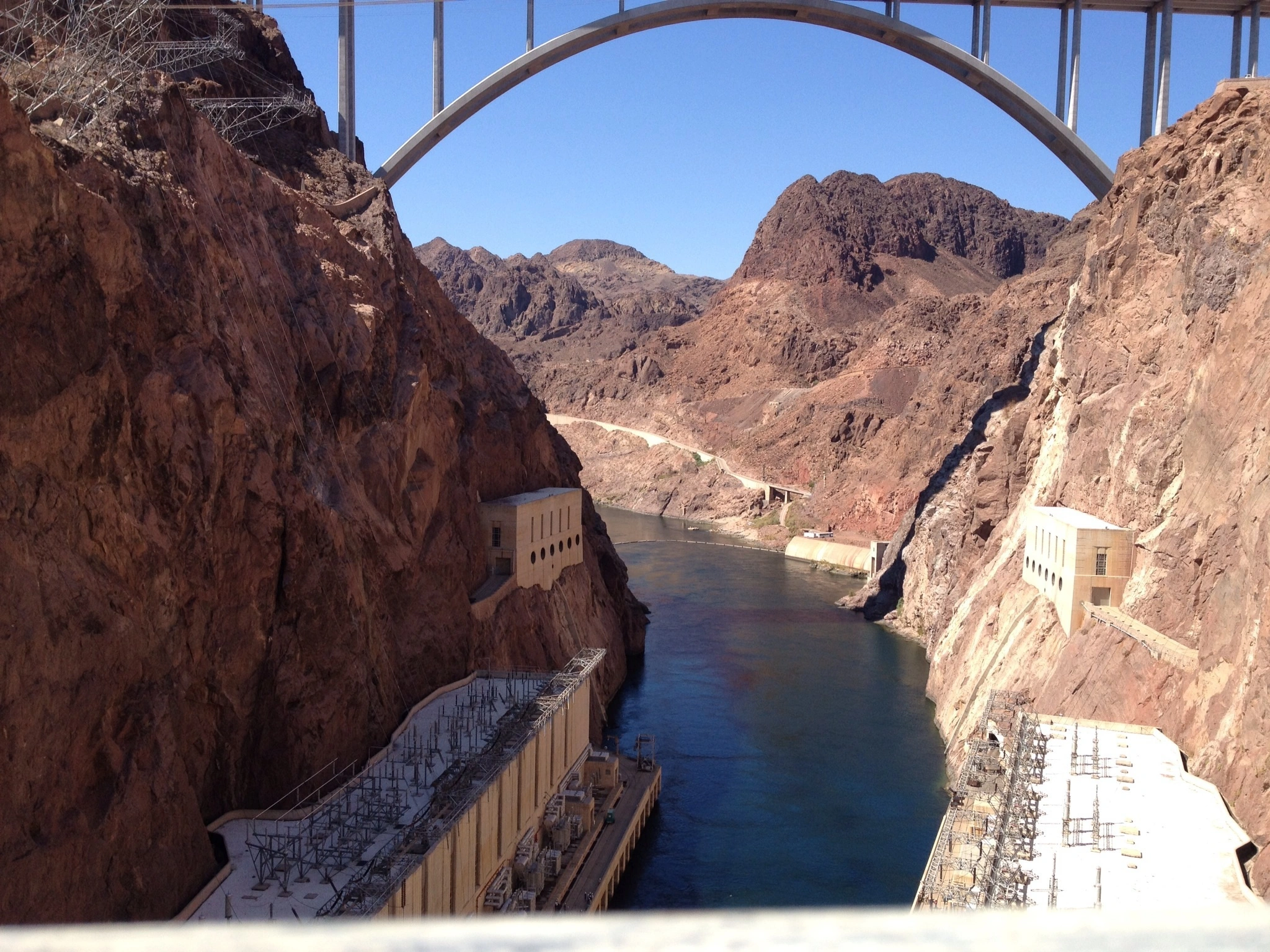
Another major factor is that of dam impoundment of river systems. In general, a higher flow rate increases DO concentration by mixing the air with the water. Still water is also more vulnerable to warming. Damming river systems therefore generally decrease DO concentrations. In large and deep enough dam reservoirs, there can be an increase in local evaporation rates. This has a cooling effect that can help to offset the other factors.
Lowering global average temperatures is the best long-term solution, but other approaches have also improved river health. Nutrient management programs have helped raise the DO levels in China’s ten largest rivers between 2006 and 2020. Another success story is that of Puerto Rico. After implementing the Clean Water Act in 1974, they have made progress in boosting DO levels. Many rivers are still highly polluted, but these success stories prove that improvement is possible.






Save the Water™ is a 501 (c)(3) non-profit organization with a mission to conduct research to identify and remove harmful contaminants in water and to raise public awareness about water contamination and its health impacts.